
Hope Lives
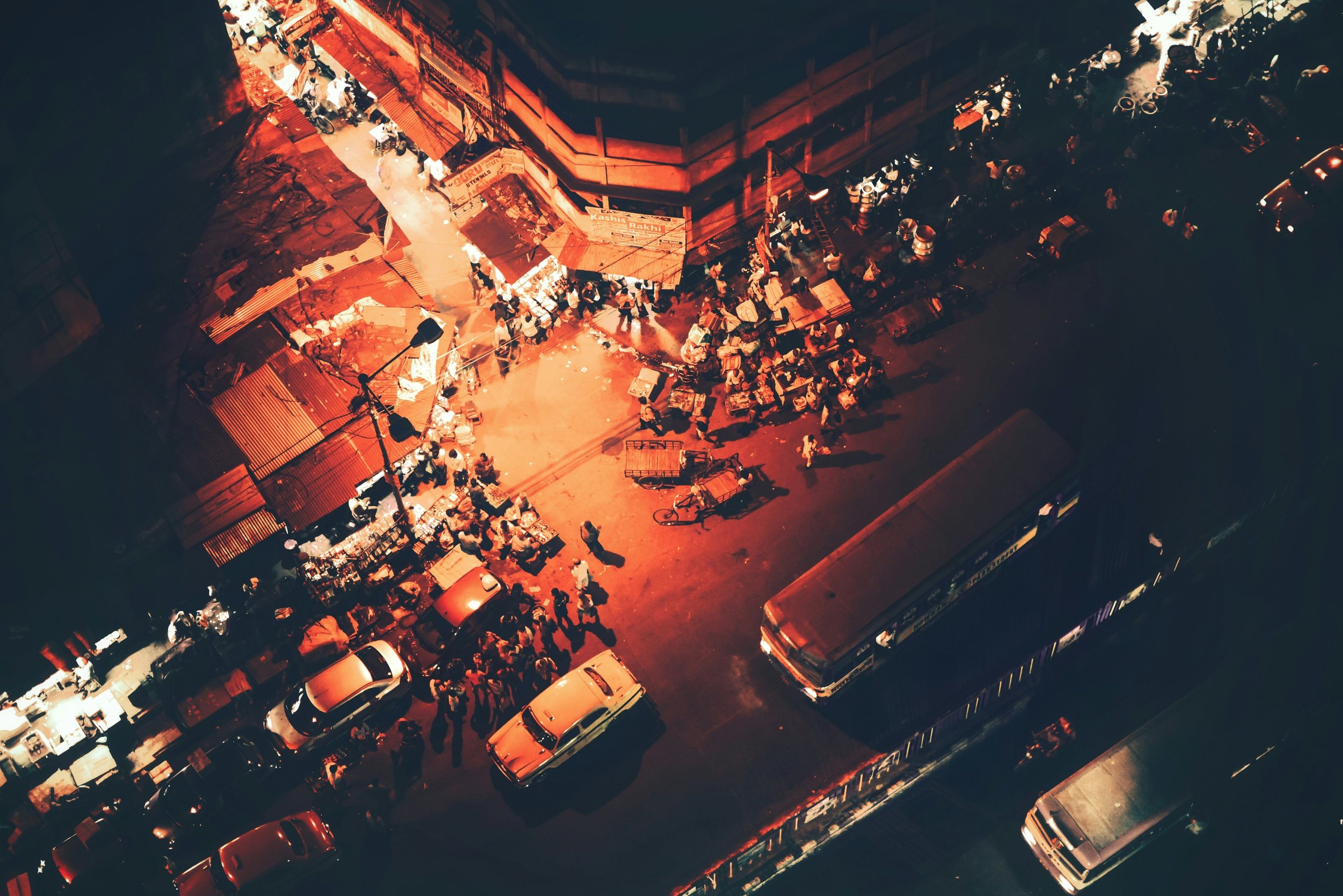
When Farah left her home in Bangladesh for Kolkata—the City of Joy—she carried dreams of finding a good job, supporting herself, and building a brighter future.
Instead, the opportunity she had been promised became a nightmare. Deceived by a trafficker, Farah was forced into sexual exploitation in Sonagachi, Kolkata’s red-light district. Far from home and everything familiar, she was left overwhelmed by fear, anxiety, and uncertainty.
The Anti-Human Trafficking Unit later rescued Farah and brought her to Mahima Homes. For the first time since arriving in Kolkata, she was safe. Surrounded by compassionate care and steady support, Farah began the courageous journey of reclaiming her life, rebuilding her confidence, and imagining a future filled with freedom and hope.

“I was engulfed with fear, anxiety, and trauma of a horrifying past when I came to Mahima."
Healing did not happen overnight. Farah carried fear, anxiety, and painful memories from what she had endured. Yet with the consistent care of Mahima’s counselors, staff, and community, she slowly began to feel safe again. Each step forward helped her rediscover the courage and determination that trauma had tried to take from her.
“During my stay at Mahima Homes,” Farah shares, “I not only got to revive my life but also received training opportunities to stand on my own feet.”
At Mahima Homes, Farah’s natural talents began to shine. She eagerly took part in vocational training, learning candle and soap making, and even completed a short-term beautician course. Through music and dance therapy, and the support of caring counselors, she slowly rediscovered her confidence and sense of joy.
One of Farah’s most courageous steps came when she testified in court against her traffickers. By using her voice, she not only pursued justice for herself but also demonstrated the strength she had reclaimed throughout her healing journey.
After three and a half years at Mahima Homes, the day she had hoped for finally arrived. Farah was safely reunited with her family and returned home to Bangladesh. She left carrying new skills, renewed confidence, and the freedom to begin the next chapter of her life on her own terms.
Farah says, "It was a bittersweet moment when I had to bid goodbye to all the aunties and my friends at Mahima. With a heavy yet excited heart, I returned home with the hope of beginning a new life."
Farah returned home carrying far more than the skills she had learned. She carried the love of a community that had stood beside her, the confidence to advocate for herself, and the courage to move forward without allowing her past to define her future.
When asked about Mahima’s impact on her life, Farah reflected on the support that helped her reclaim her voice:
W“Mahima has instilled courage in me that enabled me to fight my case. The constant love, guidance and support I got from my peers and staff shaped my life and allowed me to easily rise over the trauma that used to haunt me always. I am happy to return home, but I will treasure the memories I made at Mahima, for life.”
Farah currently works with Justice and Care in Bangladesh as a peer mentor, providing counseling to survivors. She has transformed her own experiences into a source of strength for others. Recently, Farah helped rescue a girl from a child marriage and even got married last year.
Farah’s story is more than one of survival. It is a story of courage reclaimed, hope restored, and healing multiplied as she now helps others find their own paths toward freedom. Her journey continues to inspire the girls at Mahima Homes and everyone who has witnessed her remarkable strength.
“The constant love, guidance and support I got from my peers and staff shaped my life and allowed me to easily rise over the trauma that used to haunt me always.”
Help More Survivors Reclaim Their Futures
Your gift supports the safe housing, counseling, education, vocational training, and long-term care that help survivors like Farah heal and build independent lives.